
Ask our dispensing opticians

Ask Now

Understanding Hooded Eyes

By Melissa Licari
Learn what hooded eyes are, how to spot them and which glasses styles suit them best.
hooded eyes

Just like face shape and hair type, eye shape is one of the many ways people naturally vary. Hooded eyes are one of several common eye shapes, along with round, almond, monolid and deep-set.

Each type is normal and simply reflects your individual anatomy. Read on to learn if you have hooded eyes, how they differ from droopy eyelids, whether they can affect vision and which glasses styles tend to work well for this shape.

What are hooded eyes?

Hooded eyes are defined by a fold of skin that extends from the brow bone and covers all or part of the upper eyelid crease.

This fold gives the upper lid a more shadowed or deep-set appearance, often making the eyelid appear heavier, and making it difficult to see the crease when the eyes are open.

In many cases, hooded eyes are simply an inherited trait. The delicate eyelid skin is particularly prone to changes in skin elasticity, which is why hooded eyelids often become more prominent over time.

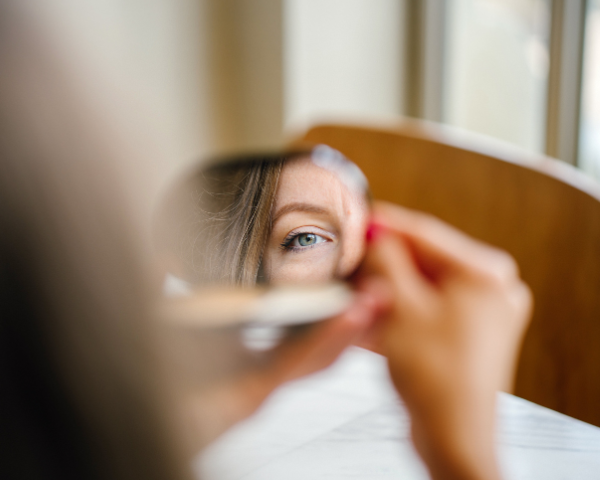
Woman looking in a pocket mirror

It’s worth noting that hooded eyes are not the same as monolids. Monolids typically have no visible crease at all, while hooded eyes do have a crease that is covered by skin.

Both are completely normal variations in eyelid anatomy, defined by differences in how the eyelid’s natural crease is shaped by skin and soft tissue.

How to tell if you have hooded eyes

You can usually tell if you have hooded eyes just by observing how your eyelids appear when your eyes are open naturally. Here are a few indicators:

  • Your upper eyelid crease is hidden or mostly covered by skin when your eyes are open
  • The skin from the brow area touches or nearly touches your upper lash line
  • You have limited visible lid space, especially when applying makeup
  • Eye makeup tends to smudge or disappear under the lid fold
  • One or both eyes appear more deep-set

In some cases, visible loose skin may rest on the upper lid, creating a shadowed or closed-off look. Comparing your eyes to photos of non-hooded lids can help highlight the difference.

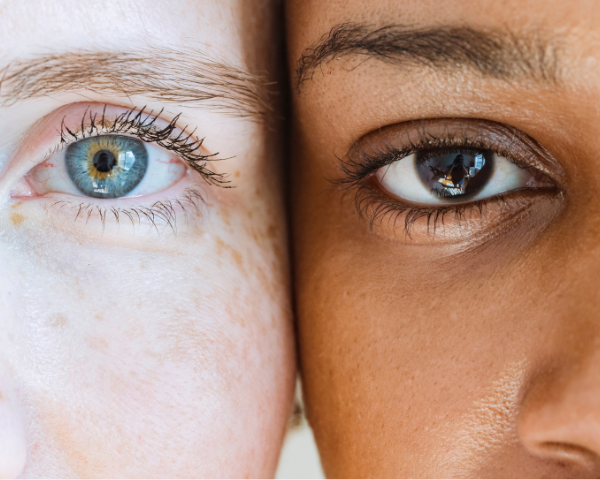
Different eye shapes

Hooded eyes vs. droopy eyelids (ptosis)

While hooded eyes and droopy eyelids may look similar at first glance, they are not the same.  Hooded eyes are a natural eye shape caused by the way the excess skin and fat fold over the upper lid. 

The muscles responsible for lifting the eyelid work normally, and the edge of the lid (called the lid margin) stays in its usual position. Any heaviness you notice is often due to soft tissue and the way the brow bone sits over the eye.

Ptosis, on the other hand, is a condition where the lid margin itself droops lower than normal. This can occur due to weakened muscles or nerve issues and may interfere with vision.

Droopy eyelid

Drooping eyelids from ptosis often require medical evaluation and can sometimes be treated with eye drops or eyelid surgery. The easiest way to tell the difference is by observing what part of the lid is drooping.

If it’s the eyelid skin above the crease, it’s likely a hooded eyelid. If the edge of the lid is sagging and affecting vision, ptosis may be the issue. In either case, an optometrist or plastic surgeon can evaluate and recommend appropriate treatment options.

DID YOU KNOW?

Hooded eyes are one of the most common eyelid shapes globally, especially prevalent among people of East Asian and Northern European descent.

Can hooded eyes affect vision?

For most people, hooded eyes don’t impact eyesight at all. The eyelid shape is usually a cosmetic concern and doesn’t interfere with how the eye opens or closes. However, age-related changes in the skin and soft tissue can sometimes lead to vision issues.

Over time, as collagen production slows, the delicate skin of the upper eyelid may lose elasticity and begin to sag. This can result in a condition called dermatochalasis, where excess skin sags into the upper field of vision.

In more advanced cases, an eyelid lift or upper lid blepharoplasty may be recommended to remove excess skin and restore a clearer line of sight.

Woman shopping for eyeglasses

In mild cases, non-surgical options like laser therapy, dermal fillers or skin plumping injections may help stimulate collagen growth and improve appearance.

Patients experiencing symptoms like blurry upper vision, frequent brow-raising or a feeling of noticeable heaviness in the lids may benefit from seeing a specialist.

When to check with an optometrist

While hooded eyes are usually not a medical concern, there are times when it’s a good idea to consult an eye care professional. You should book an eye exam if you notice any of the following:

  • A sudden change in your eyelid shape or symmetry
  • One eyelid drooping more than the other
  • Eyelid skin that is visibly obstructing your field of vision
  • Frequent tension headaches or forehead strain
  • Redness, irritation, or discomfort around the eyelid area

These may indicate conditions beyond typical hooded eyelids. If the excess skin and fat are interfering with daily activities like reading or driving, your doctor might suggest a surgical procedure to correct it.

Treatment options include upper lid blepharoplasty, brow lift or even temporary sutures for cases that don’t yet need permanent solutions. In some cases, cooling the area with cold compresses or maintaining adequate sleep may help ease irritation.

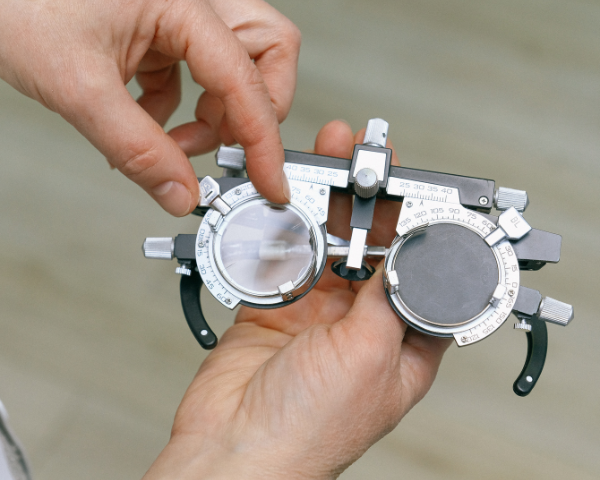
Eye doctor equipment

Embracing your eye shape

Hooded eyes are a natural and common eye shape, often recognised for their softness and depth. Whether you’re adjusting to new lenses or selecting frames, there are ways to ensure comfort, clarity and a secure fit.

If you’re unsure where to start, our team of certified optical experts is here to help. Explore options from home and get personalised guidance to find the right solution for your needs.

Related articles

Vision Conditions & Eye Diseases
From common refractive errors to more serious issues like AMD, learn what vision conditions mean and what symptoms to watch...
View more

Related articles

Vision Conditions & Eye Diseases
From common refractive errors to more serious issues like AMD, learn what vision conditions mean and what symptoms to watch...
View more

Leave a comment

Your email address will not be published. Required fields are marked *