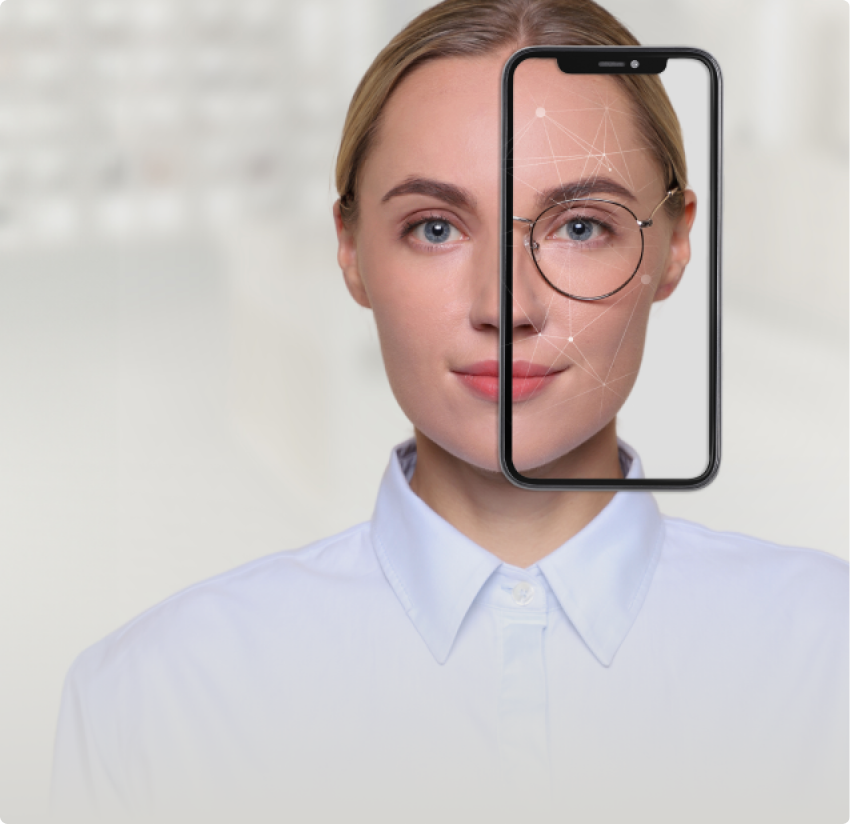
Varifocal glasses use a single lens that changes prescription gradually from top to bottom, so you get clear vision at near, middle and long distances in one pair, with no visible line. "Progressive" is the same type of lens, just a term used more in the optical trade and outside the UK, so the two words mean the same product. SmartBuyGlasses makes every varifocal lens in-house, fitted to the frame you choose rather than picked from limited stock.
What Varifocal Glasses Are
A varifocal lens is built with three areas in one piece of glass or plastic: the top for distance, the middle for things like a computer screen, and the bottom for reading and close-up work. Your prescription changes smoothly between these areas instead of switching abruptly, which is what removes the visible line you'd see on older bifocal lenses. Because one lens covers every distance, varifocals suit anyone who currently switches between separate reading and distance glasses and wants a single pair for everyday use.
Varifocal, Bifocal and Multifocal Explained
These three words get used loosely, so it helps to know what each means. A bifocal lens has two clear sections, usually distance and near, with a visible line between them. Varifocal is a type of multifocal lens: multifocal simply means any lens with more than one prescription built in, while varifocal means it changes smoothly with no line. In everyday shopping, "multifocal glasses" and "varifocal glasses" usually mean the same no-line product. If a listing specifically says bifocal, expect that visible line instead.
Getting Used to Varifocals
Most people take a few days to a few weeks to adjust to varifocals. It's common to notice some blur at the edge of your vision at first, since the clearest part of the lens is towards the centre. Moving your head rather than just your eyes to find the right spot, and wearing the glasses full-time rather than switching back to an old pair, usually helps you adjust faster. If things haven't settled after a few weeks, or you're still uncomfortable, get the fit checked by an optician. For more tips on getting used to your varifocal glasses, check our Aftercare Guides.
Choosing Frames for Varifocal Lenses
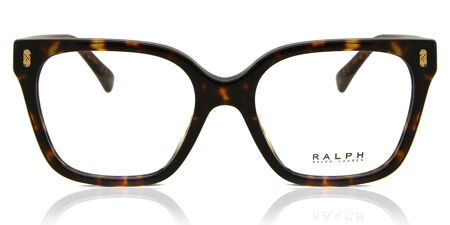
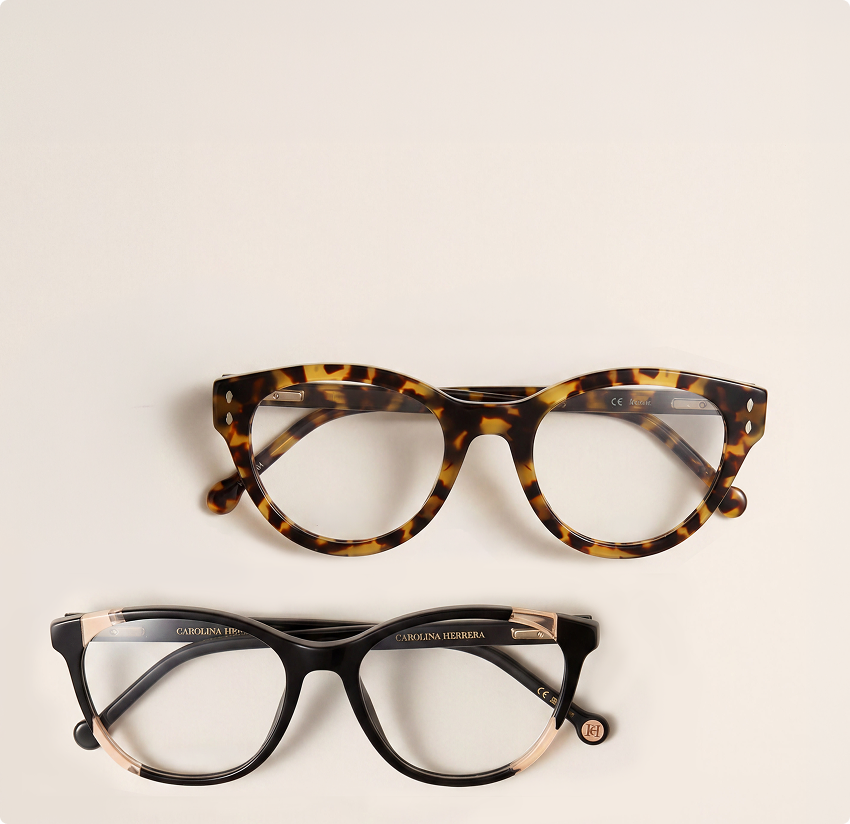
Varifocal lenses need a reasonably deep frame to fit the distance, middle and reading sections comfortably. Rounder, square or classic rectangular shapes usually work best. Very shallow or heavily angled frames can squeeze these sections together and make the switch between distance and close-up vision feel more sudden. When you're browsing, filter for frames confirmed as suitable for varifocal or progressive lenses, and check the frame depth against your needs before ordering.
Varifocal Lens Options and Cost
Varifocal lenses come in a range of lens packages, from standard designs through to premium options with wider clear areas and quicker adjustment. You can add anti-reflective and scratch-resistant coatings, Transitions® lenses and blue-light filtering, and the price depends on the lens package and coatings you choose.
Shopping with Confidence
SmartBuyGlasses offers a 100-day return policy. All products sold on SmartBuyGlasses are 100% authentic and come with a 2-year warranty. If you are unsure about frame fit, prescription compatibility or lens options, our customer support team and in-house dispensing opticians are available to help. Check estimated delivery time at checkout.