We offer free basic 1.5 index lenses on most prescription eyeglasses. We provide opportunities to upgrade and add features during checkout. We make shopping online for your glasses simple, efficient and safe.
Best Price Guarantee
If you find a lower price online within 14 days of purchase, we will BEAT IT by GBP2!!
We have qualified dispensing opticians available to answer your questions and help you choose lenses and frames. Click here to get in touch with one of our dispensing opticians.
Light sensitivity is common and manageable. Learn what causes it and how the right eyewear can help.
What is photophobia?
If bright light makes you squint, tear up or reach for your sunglasses indoors, you’re not alone.
Photophobia is a sensitivity to light that causes discomfort or pain in the eyes. It’s not a disease, but rather a symptom that can appear in connection with a range of eye conditions, neurological and medical issues or environmental triggers.
It can also occur without any underlying eye disease, as some people simply experience heightened light sensitivity.
People of all ages can experience it, whether temporarily or long-term. In severe photophobia, even low or ambient light can cause eye discomfort and intense reactions.
Common symptoms of light sensitivity
While common, photophobia can feel different depending on the person and the underlying cause.
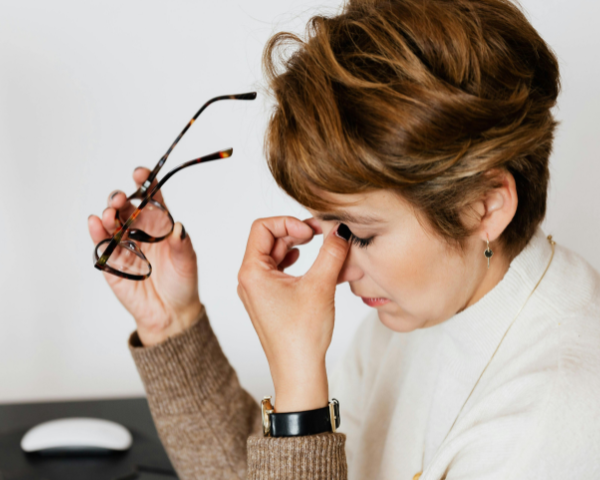
Common signs include squinting in bright light, feeling the need to shut your eyes completely in well-lit spaces, or experiencing discomfort. It can be described as discomfort or pain when exposed to natural or artificial light.
Many people with light sensitivity also experience headaches triggered by bright or flickering lights, as well as a heightened sensitivity to screens, overhead LEDs or sudden changes in lighting.
Additional symptoms may also include eye redness, nausea and vision disturbances.
What causes photophobia?
Photophobia can stem from several underlying factors, including eye-related conditions and neurological issues involving the brain and spinal cord.
Eye-related conditions
Dry eye syndrome is one of the most common causes of photophobia. When your eyes are not producing enough moisture, they become more reactive to light.
Conditions like conjunctivitis, corneal abrasions and inflammation inside the eye (uveitis) can also lead to light sensitivity due to inflammation or damage to the surface of the eye.
People recovering from LASIK or cataract surgery often notice a temporary increase in eye sensitivity as the eyes heal.
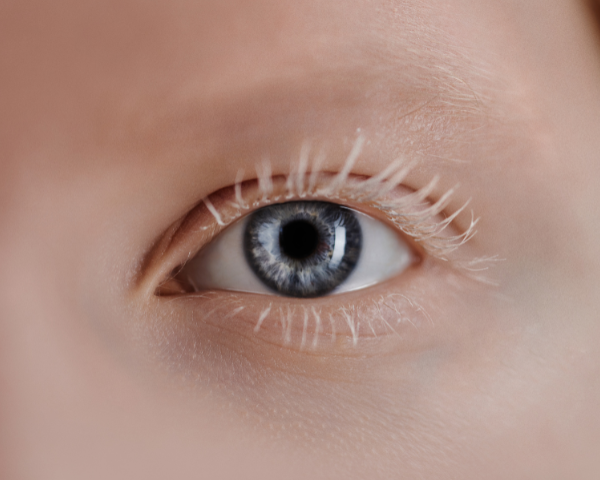
Individuals with light-coloured eyes or albinism may experience photophobia more intensely as they have less pigment in the coloured part of the eye to shield it from bright light.
Wearing contact lenses with a poor fit or wearing them for too long can sometimes cause photophobia, as they may lead to micro-abrasions on the cornea.
These small surface injuries increase corneal sensitivity, which in turn can make the eyes more prone to irritation and discomfort.
Neurological causes
Migraines are closely linked to light sensitivity, with about 80% of migraine sufferers experiencing it as a symptom.
Traumatic brain injuries, such as concussions, and infections like meningitis or encephalitis can also affect how the optic nerve and brain and spinal cord process light, making exposure painful.
These conditions may also lead to neck stiffness or vision issues.
Emotional and mental health factors, such as depression, anxiety and chronic stress, can affect how strongly you perceive light-related discomfort, even if they don’t directly make the eyes more sensitive.
In overstimulating environments, this lowered tolerance can make photophobia feel more intense. Seeking support to manage anxiety may also help improve overall light tolerance and comfort.
Medication-related triggers
Certain medications can make the eyes more sensitive to light. Pupil-dilating eye drops used during eye exams are a common example.
Medicated eye drops and specific drugs for mental health, such as lithium or haloperidol, and some anti-malarials, can also trigger or worsen photophobia.
Environmental and lifestyle triggers
Natural light, especially intense sunlight or glare reflecting off water, snow or roads, is a common irritant. Artificial lighting, particularly flickering fluorescent or high-intensity LED bulbs, can also cause eye discomfort and contribute to photophobia.
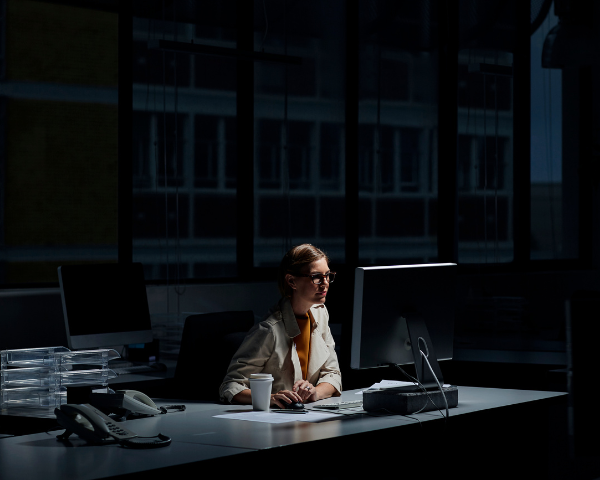
Spending extended periods in front of digital screens or being exposed to high levels of blue light can aggravate symptoms. Sudden changes in lighting, such as stepping from a dark room into daylight, often make photophobia worse.
DID YOU KNOW?
Blue light, especially around 480 nanometers in wavelength, is one of the most aggravating for sensitive eyes. It activates special light-sensitive cells in the eye, which can trigger discomfort in people who are sensitive, and may overstimulate the pain-processing pathway between the eyes, brain and spinal cord.
Photophobia treatment options
The good news is that most cases of photophobia can be managed through a combination of environmental changes, healthy eye habits and professional care.
Protect your eyes when outside
The right lenses can make a noticeable difference in everyday comfort and light protection. Depending on your needs, you might benefit from options like:
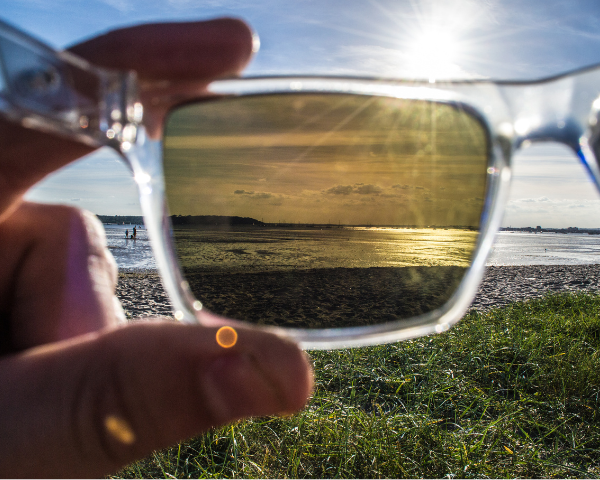
Polarised lenses to reduce glare from roads, water and other reflective surfaces
Blue light filter lenses for extended screen time and digital eye strain; their effectiveness for photophobia varies between individuals
Photochromic lenses that darken in sunlight can help outdoors, though they may not activate well inside cars due to UV-blocking windshields. Tinted glasses designed to block specific wavelengths can also reduce photophobia
Adding a wide-brimmed hat or cap provides extra protection in bright environments, helping shield the eyes from direct sunlight.
Adapt your indoor environment
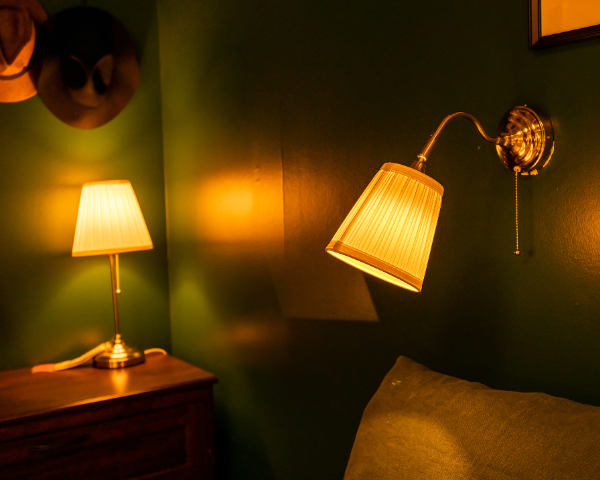
Swap harsh overhead lighting for warm white bulbs with a colour temperature of 2700 to 3000 Kelvin. Use dimmer switches when possible, or opt for lamps with adjustable brightness.
Fluorescent and poorly calibrated LED lighting should be avoided or replaced if they flicker or emit overly intense light.
Ease digital eye strain
To reduce the impact of digital eye strain, activate blue light filters on your devices or switch on night mode in your display settings. Wearing blue light blocking glasses can also help ease overall screen fatigue and treat photophobia symptoms over time.
Lower your screen brightness to a comfortable level, and remember to take regular breaks using the 20-20-20 rule: every 20 minutes, look at something 20 feet away for 20 seconds.
Care for dry or irritated eyes
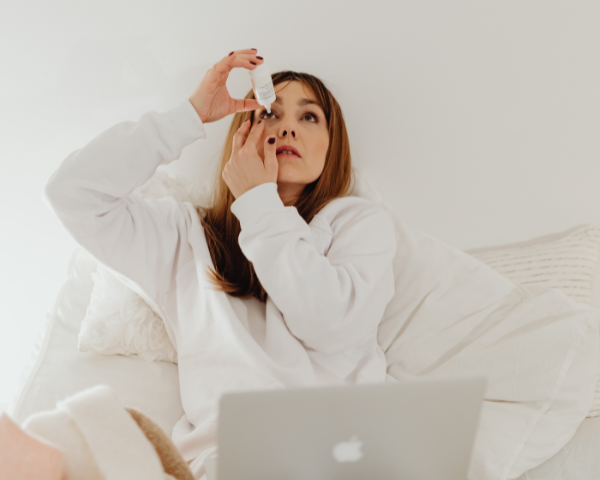
Eye drops without preservatives can help maintain eye moisture, especially in dry or windy environments. Medicated eye drops may also be prescribed to treat inflammation or dryness.
Stay hydrated throughout the day and avoid air-conditioned spaces that may dry your eyes out further.
Avoid over-relying on darkness
While it may be tempting to wear sunglasses indoors, doing so regularly can make your eyes even more light-sensitive. Instead, aim for soft, indirect lighting that helps your eyes gradually build tolerance without overwhelming them.
When to see a doctor
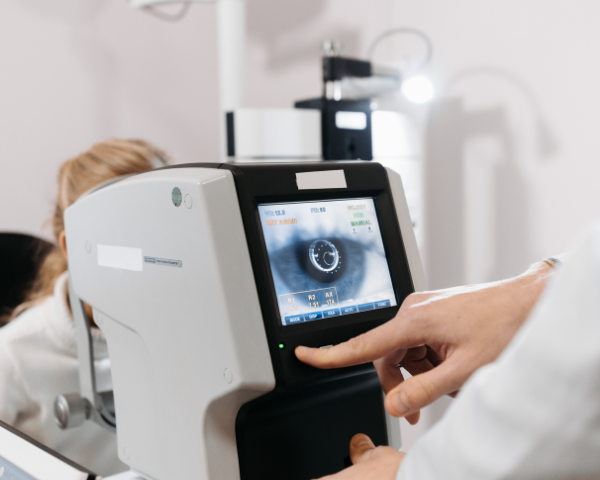
You should speak with an eye doctor if your light sensitivity appears suddenly, becomes more intense, or starts interfering with daily life. This includes any discomfort that comes with eye pain, eye redness or blurred vision.
Frequent headaches, migraines, nausea or dizziness linked to light exposure should not be ignored.
If you’ve recently had eye surgery, sustained a head injury or started a new medication and are noticing increased sensitivity, a clinical evaluation is recommended.
This is especially important if you’re experiencing symptoms in one eye, or if one eye is reacting more than the other.
Managing light sensitivity with confidence
Living with photophobia can be challenging, but it is highly manageable with the right combination of care, tools and expert guidance. The earlier you address your symptoms, the more control you can gain over your comfort.
Small adjustments in lighting, carefully chosen eyewear and support from experienced professionals can make a real difference. If you’re not sure where to begin, our certified optical experts are here to help.
Related articles
The Benefits of Polarised Sunglasses
Learn what polarised lenses are, how they work, and who should use them.