Aftercare Guide
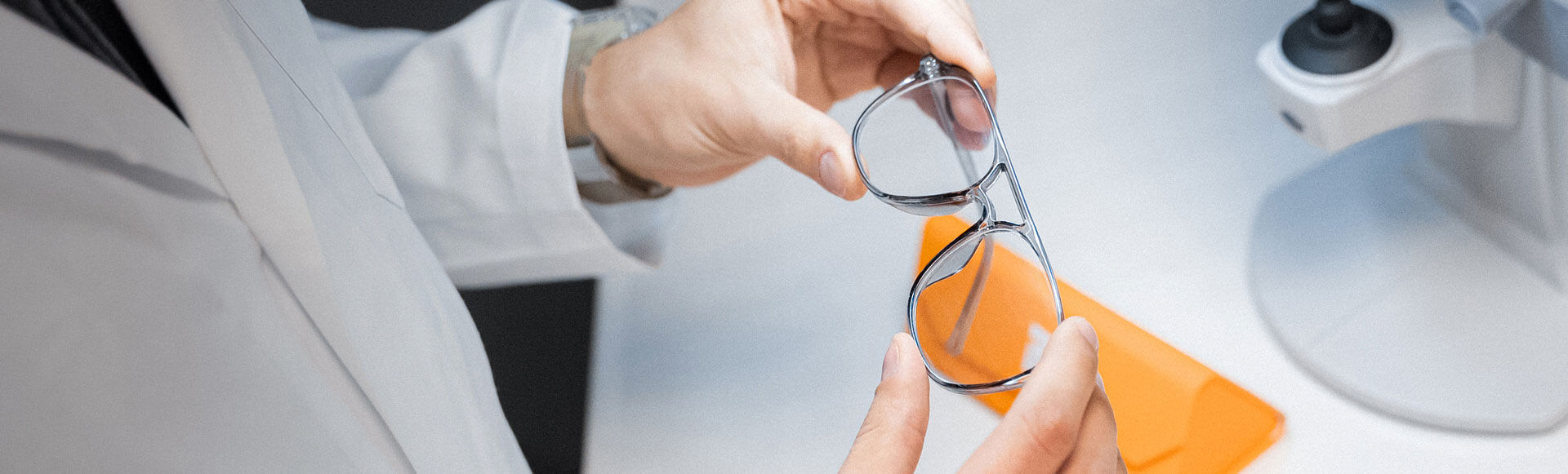
Eyeglasses Aftercare
Make your frames last
New glasses feel different, and that’s normal. Here’s how to care for your frames and adjust comfortably to your new glasses.
Storage & handling techniques
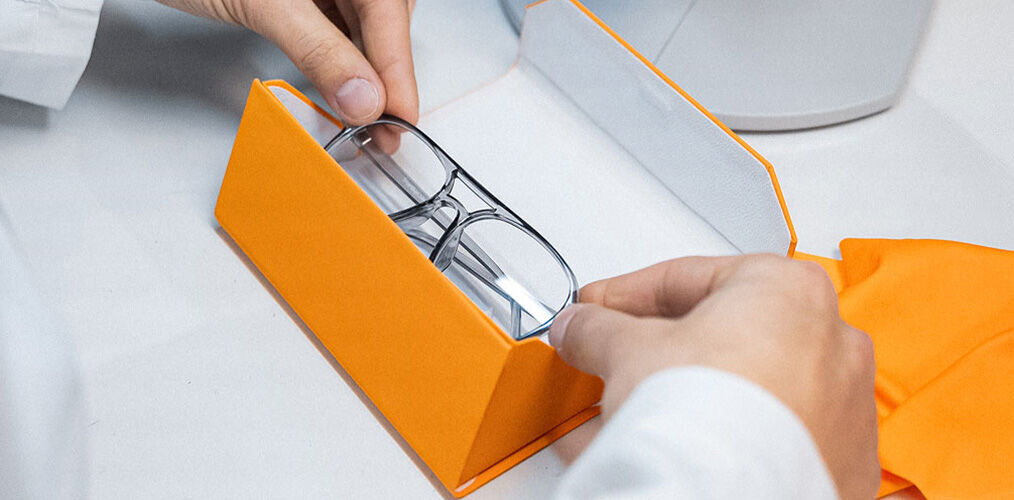
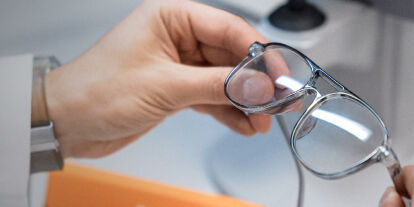
Store them properly
Proper storage is key to keeping your glasses in good shape.
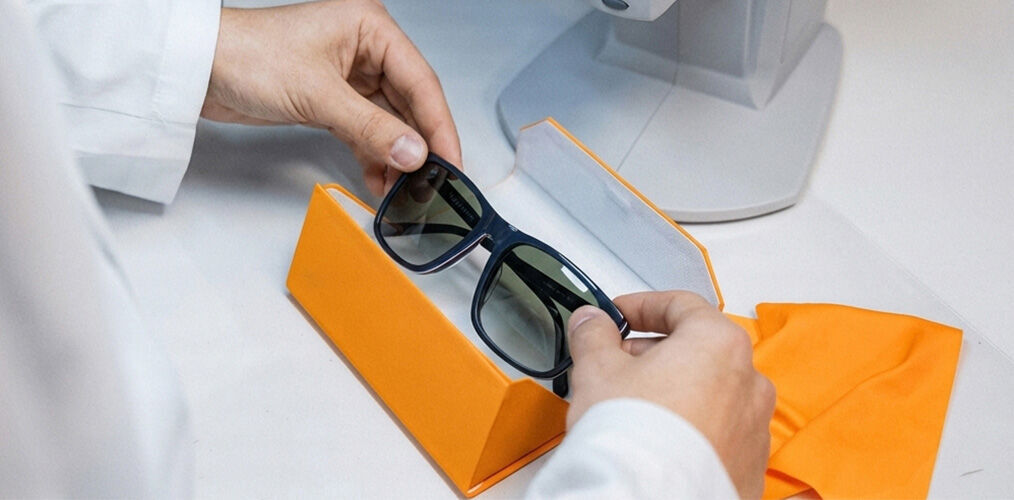
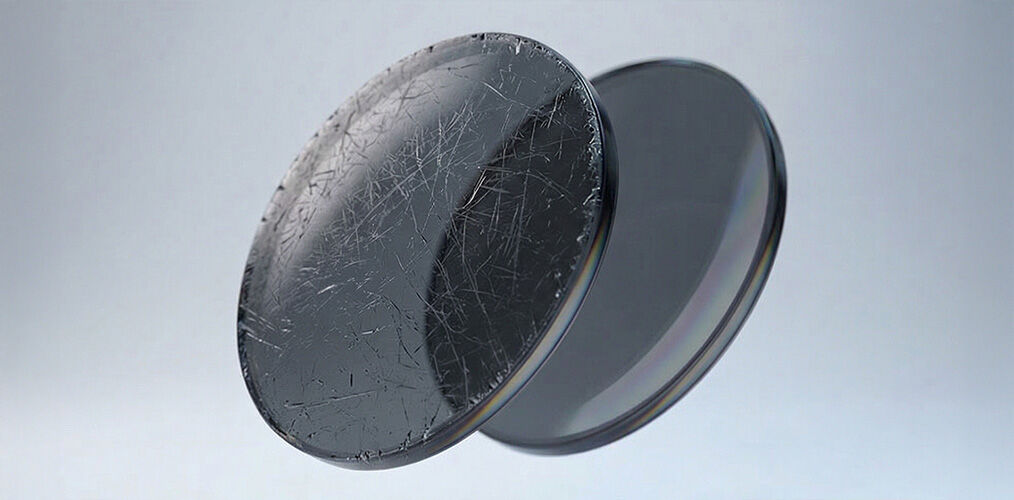
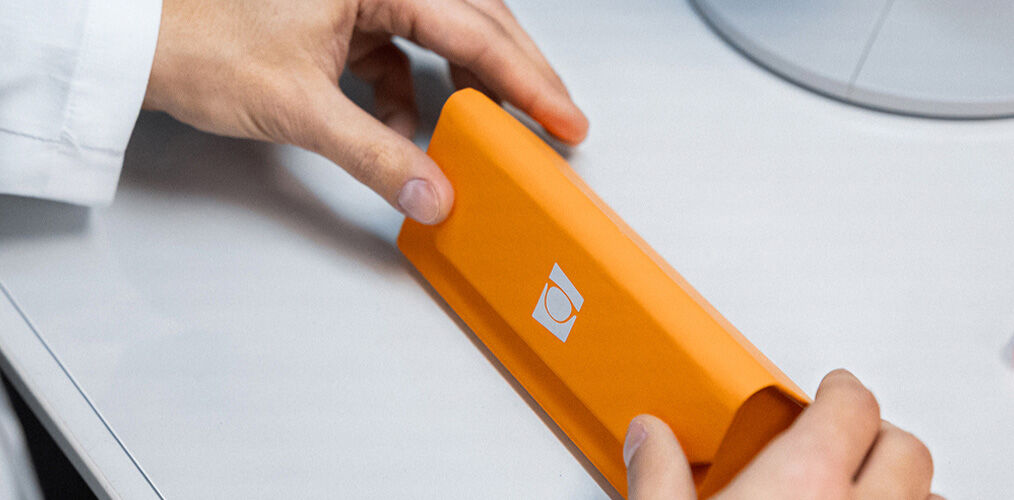
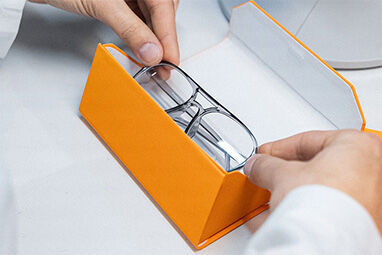
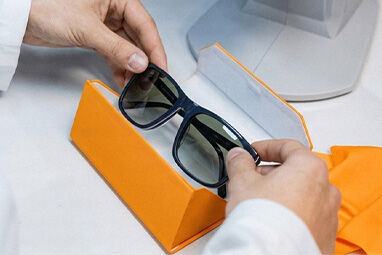
When not in use, always place them in a hard, protective case with the lenses facing up. Avoid placing them face down, as this can easily scratch the lenses.
Avoid resting them on your head
Your glasses are designed to fit the contours of your face. Resting them on your head or hanging them from your shirt may feel convenient, but these habits can stretch the frames or cause them to lose their shape over time.
To maintain the proper fit, wear them as intended or store them safely in their case when not in use.
Avoid heat exposure
Leaving eyeglasses in a hot car or on a sunny window can damage lens coatings. Frame materials like plastic or metal can warp too. When not in use, keep them in a cool, shaded place.
Cleaning & maintenance
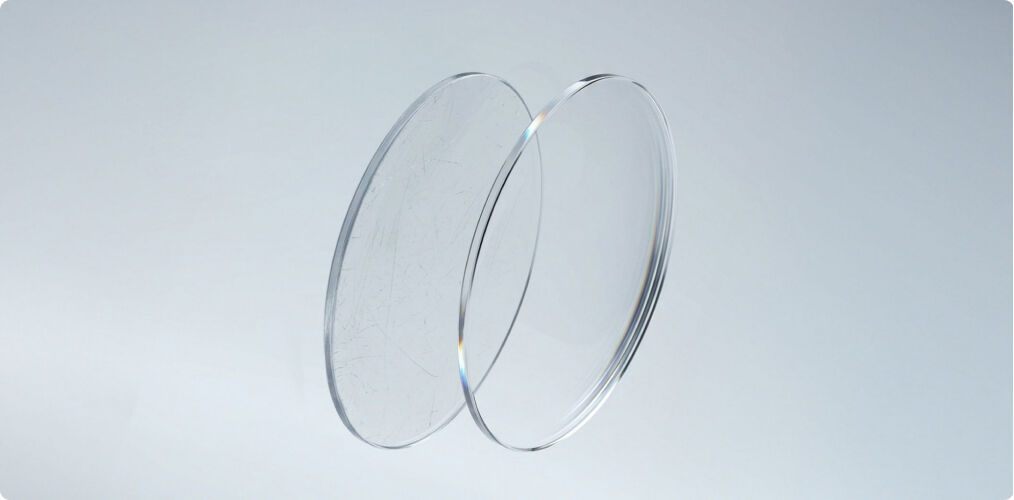
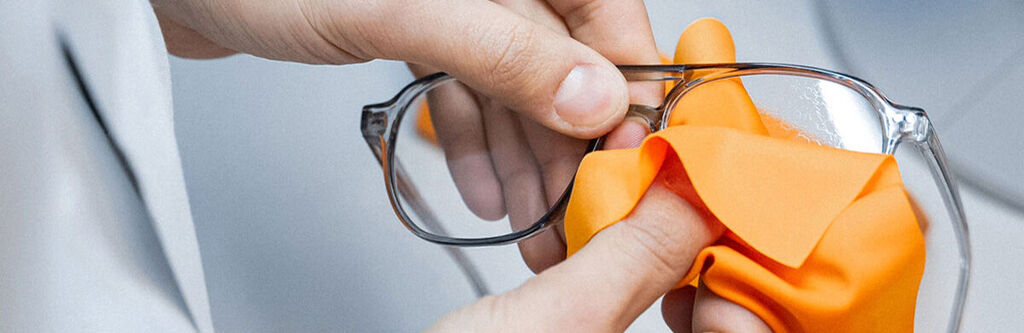
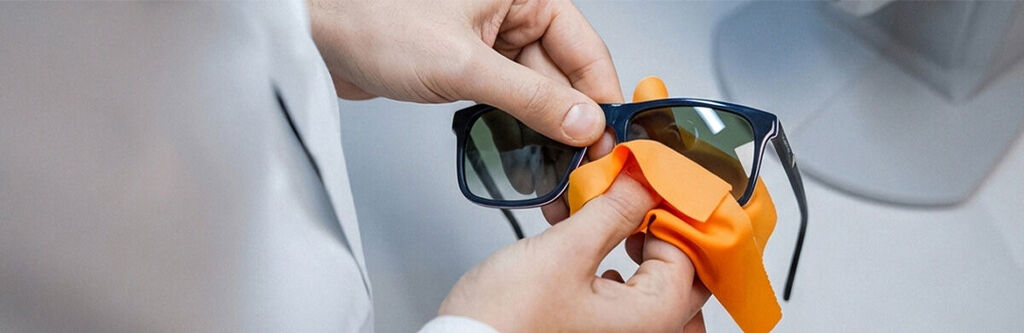
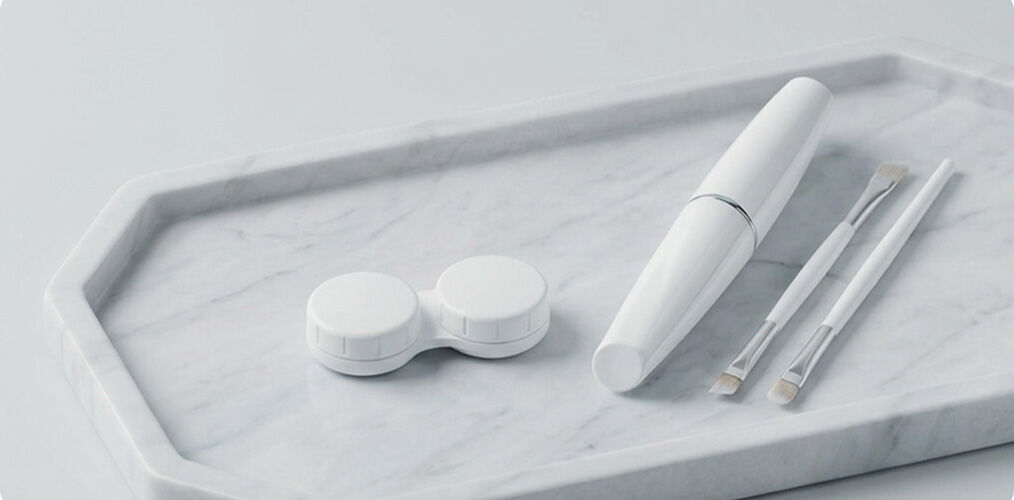
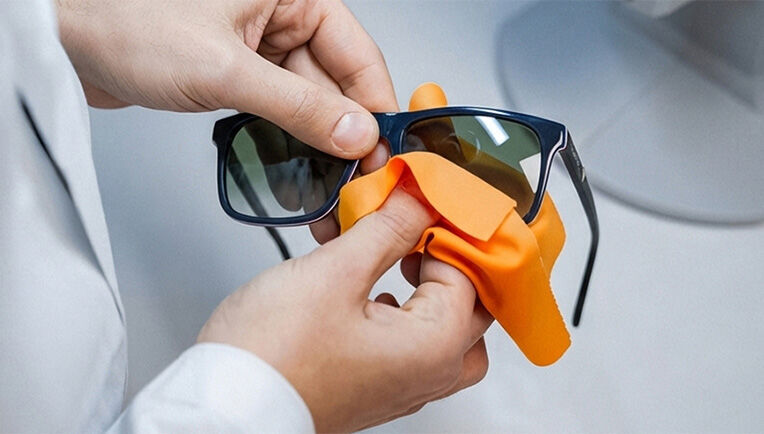
Clean your eyeglasses daily with a microfiber cloth and lens spray.
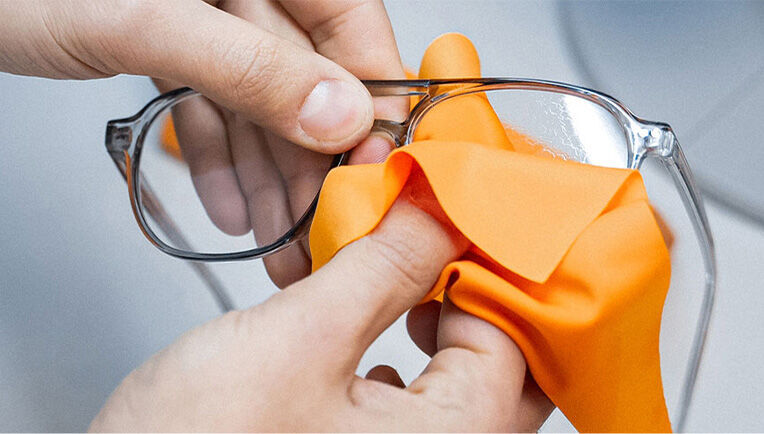
With clean, dry hands, apply lens spray and gently wipe the lenses and frame, including the nose pads.
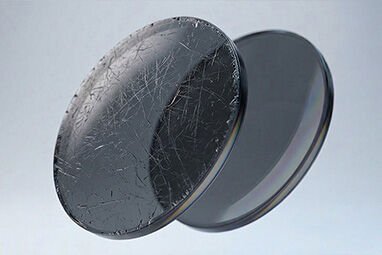
Avoid water, tissues, clothing, or harsh cleaners as they can scratch lenses or damage coatings.
Wash your microfiber cloth regularly without fabric softener and replace it as needed to keep it working effectively.
Adjusting to new glasses
Getting used to new glasses can take a little time, especially if your prescription has changed. While many people expect clear, comfortable vision right away, your eyes and brain need time to adapt to the new prescription.
Our dispensing dispensing opticians recommend wearing your new glasses first thing in the morning, particularly if the change feels significant or overwhelming. This allows your brain to adjust to the updated vision without comparing it to your previous prescription, making the adaptation process smoother and more comfortable.
Depending on your prescription, your vision may feel slightly off at first. This is a normal part of the adjustment process. Wearing your new glasses consistently helps your eyes adapt more quickly.
Switching between old and new glasses can slow adaptation. Wearing your new pair consistently supports a faster and more comfortable transition.
If your frame shape is larger, deeper, or more curved than your previous pair, your vision may feel different even with the same prescription. This is expected and typically resolves as you adapt.
If you have varifocal lenses, practice shifting your focus between near, intermediate and far distances to become comfortable with the lens layout.
Adjusting to a strong prescription: What’s normal and when to contact us
Normal (give it time)
- Objects appearing slightly larger or smaller
- Floors feeling slightly curved
- Mild “fishbowl” effect at the edges
- Clarity that feels unusual at first
- Mild headaches during the first few days
Our dispensing opticians frequently see these symptoms following prescription updates. In most cases, they improve within 7–14 days of consistent wear.
Contact our dispensing opticians if
- Vision feels unstable after 10–14 days
- You experience persistent nausea
- You cannot walk comfortably
- You have double vision or sharp eye pain
These symptoms may require prescription verification or minor fit adjustments. Our optical team can guide you.
Common questions about new glasses
Lens thickness depends on more than prescription strength. Frame size, frame shape, lens index, and lens curvature all play a role.
Even with the same prescription, a larger or more curved frame can result in increased edge thickness.
If you’re concerned, our optical team can review your lens index and frame measurements.
If your vision feels “off” in your new glasses, this does not automatically indicate an incorrect prescription.
Common causes include updated prescription strength, switching to progressives, larger or more curved frames, higher index lens material, or changes in lens design.
Most adaptation symptoms go away within 7–14 days of full-time wear.
Contact us if your central vision remains blurry after two weeks.
Mild distortion or a “fishbowl” effect can occur with stronger prescriptions or new lenses.
This typically resolves during the adaptation period.
Something not feeling right?
Before considering a return, our certified dispensing opticians recommend:
• Wearing your new glasses daily for at least 7 days
• Not switching back to your previous pair
• Reviewing our fit adjustment tips
• Visiting a local dispensing optician for minor adjustments
Most issues can be resolved with small adjustments or consistent wear
For added peace of mind, every purchase is backed by our 2-year warranty and 100-day hassle-free return policy, so you can shop with confidence.
Still concerned? Our optical team is always here to help.
Sunglasses Aftercare
Make your shades last
Even the most durable sunglasses need a little care to stay in top shape. Here’s how to keep them clean, comfortable and built to last.
Storage & handling techniques
Store them safely
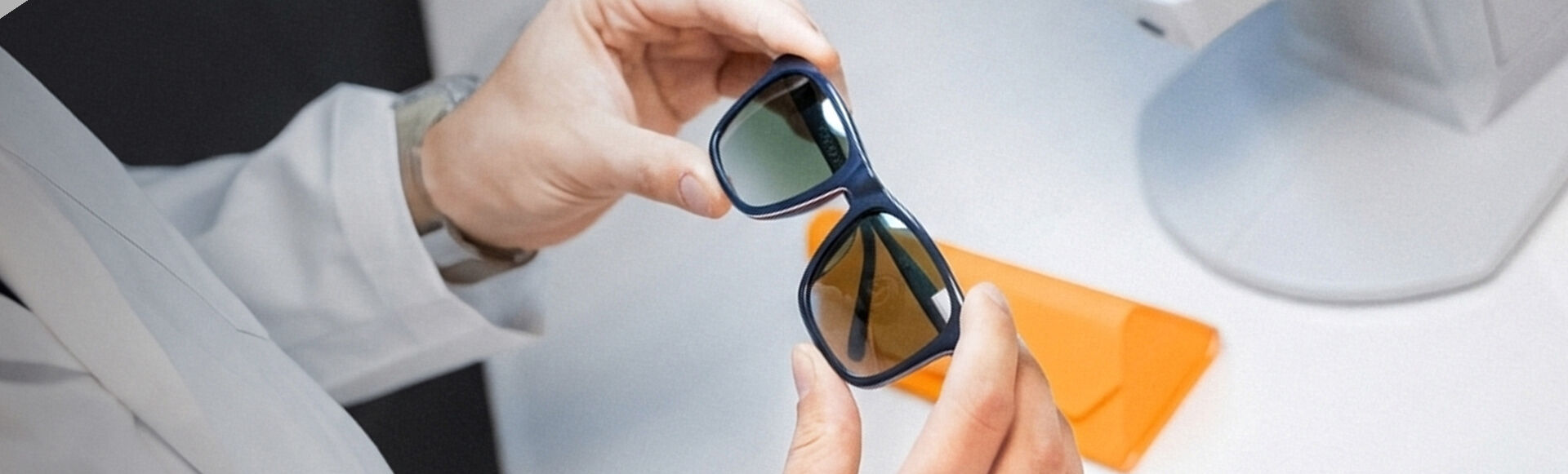
The best place for your sunglasses is in a hard protective case, with the lenses facing up. If you’re packing light, a microfiber pouch is a good backup. Avoid tossing them into a bag or leaving them face down, as scratches can happen fast. If your sunglasses feature mirror or specialty coatings, proper storage is especially important, as these surfaces are more sensitive to abrasion.
Avoid heat exposure
Leaving sunglasses in a hot car or on a sunny window can damage the frame and distort lens coatings. Frame materials like plastic or metal can warp too. When not in use, keep them in a cool, shaded place.
Avoid resting them on your head
It might seem convenient, but placing sunglasses on your head can stretch the frame. If you’re on the move, consider using a strap or retainer to keep them secure.
Cleaning & maintenance
Clean your sunglasses regularly with a microfiber cloth and lens spray. With clean, dry hands, apply spray and gently wipe the lenses and frame. Avoid water, tissues, clothing, or harsh cleaners as they can scratch lenses or damage coatings. Wash your microfiber cloth regularly without fabric softener and replace it as needed.
Adjusting to new sunglasses
Getting used to new sunglasses can take a little time, especially if the lens tint or coating is different from what you’re used to. This is completely normal, and a few simple habits can make the transition smoother.
If you’re trying a new tint, coating, or polarised lenses, they may feel unfamiliar at first. Regular wear helps your eyes adapt naturally. Polarised lenses can sometimes create rainbow or darkened effects on digital screens or dashboards. This is a normal interaction between polarised light and certain surfaces.
Switching between your old and new sunglasses can slow the adjustment process as your eyes adapt to the tint and glare reduction. Wearing your new pair consistently helps your eyes adapt more quickly.
Your sunglasses should feel comfortable in a range of lighting conditions, from direct sunlight to shade. Moving between environments helps your eyes adjust to how the lenses reduce brightness and glare.
Common questions about new sunglasses
Rinse your lenses under lukewarm water first, then gently wipe with a clean microfiber cloth. Avoid paper towels, tissues, or clothing, which can scratch the surface.
Polarised lenses are durable but their filters can be affected by harsh chemicals or abrasive cleaning. Stick to gentle cleaning methods to preserve glare reduction.
It can take a few days to a week for your eyes to adapt, especially with polarised, mirror, or progressive lenses. Consistent wear helps the process.
Yes, high temperatures can warp frames, distort lenses, and reduce coating effectiveness. Always store sunglasses in a cool, shaded place or protective case.
Check the fit and adjust using our Fittings & Adjustments guide. Minor tweaks are normal, and visiting a local optician can help fine-tune comfort.
Something not feeling right?
Before considering a return, our certified dispensing opticians recommend:
• Wearing your new sunglasses daily for at least 7 days
• Not switching back to your previous pair
• Reviewing our fit adjustment tips
• Visiting a local dispensing optician for minor adjustments
Most issues can be resolved with small adjustments or consistent wear
For added peace of mind, every purchase is backed by our 2-year warranty and 100-day hassle-free return policy, so you can shop with confidence.
Still concerned? Our optical team is always here to help.
Varifocal Lenses Aftercare
Getting started with new varifocals
Before you begin, make sure your glasses sit properly on your face. The lens alignment point should rest naturally in front of your pupils when looking straight ahead. Proper positioning helps ensure clear, comfortable vision at all distances.
How long does it take to get used to varifocals?
The adaptation period for varifocal lenses varies from person to person and can range from a few days to a couple of weeks. Most people adjust within 7–14 days, though some prescriptions may take slightly longer.
During this time, it’s normal for vision to feel different. As your eyes adapt to the multiple viewing zones, you may notice brief blur when shifting between near, intermediate and distance vision. With consistent wear, this typically improves quickly.
How do I use my varifocal lenses correctly?
Start with a natural gaze
Begin by looking at a distant object with your chin in a natural position. When switching to near tasks, slightly lower your chin and look through the lower portion of the lens. Coordinating both head and eye movement helps bring each viewing zone into clear focus.
Distance vision
To see distant objects, look straight ahead through the top portion of your lenses. This should feel similar to single-vision distance glasses.
Intermediate vision
For computer work and similar tasks, look through the centre of your lenses.
Tip: If the image does not feel sharp right away, slowly tilt your head slightly up or down until it comes into focus.
Near vision
For close-up tasks like reading, look through the bottom portion of your lenses.
Using peripheral vision
Varifocal lenses may cause mild peripheral distortion at first. Instead of glancing sideways through the edges of the lenses, turn your head toward what you want to see.
Point your nose toward the object for clearer vision. This will quickly become natural with practice.
Adapting to varifocal lenses is like learning something newYour eyes need time to adjust
Practice regularly
Practice is essential. Spend time focusing on objects at different distances throughout the day. Start with reading, then computer work, and gradually move into everyday activities like watching TV or cooking.
Be mindful on stairs
Stairs can feel unfamiliar at first due to peripheral distortion. For added stability, tuck your chin slightly downward and look through the upper portion of the lens when descending. Move carefully and allow yourself time to adjust.
Don't switch between new and old glasses
Switching back and forth between old and new glasses can slow adaptation and increase symptoms like headaches or eye strain. Wearing your varifocal lenses daily supports faster adjustment.
Coordinate head and eye movement
Unlike single vision lenses, varifocals require your head and eyes to move together. Point your nose toward what you are looking at for better clarity.
Try different environments
Once you feel comfortable indoors, begin wearing your varifocals outdoors and in different lighting conditions to build confidence.
Adjusting to varifocal lenses: What’s normal and when to contact us
Normal (give it time)
- Mild dizziness during the first 2–3 days
- Brief blur when switching between distances
- Slight discomfort on stairs at first
- Peripheral distortion in the first week
Our certified dispensing opticians regularly see these symptoms following new varifocal prescriptions. In most cases, they improve within 7–14 days of consistent wear.
Contact our dispensing opticians if
- You experience persistent severe headaches after 10 days
- Your central vision remains blurry
- You have double vision or eye pain
- You feel unsafe walking after one week
These symptoms may require prescription verification or fit adjustments. Our optical team can guide you.
Common questions about varifocal lenses
Yes. Varifocal lenses require coordinated head and eye movement.
Turning your head instead of glancing through the lens edges improves clarity and reduces distortion.
This sensation is common during the first 1–2 weeks.
If you need to excessively tilt your chin to see clearly after 10–14 days, contact us for a fitting review.
Mild peripheral distortion is expected in varifocal lenses and improves with consistent wear.
Something not feeling right?
Before considering a return, our certified dispensing opticians recommend:
- Wearing your new varifocal daily for at least 7 days
- Not switching back to your previous pair
- Reviewing our fit adjustment tips
- Visiting a local dispensing optician for minor adjustments
Most issues can be resolved with small adjustments or consistent wear.
For added peace of mind, every purchase is backed by our 2-year warranty and 100-day hassle-free return policy, so you can shop with confidence.
Still concerned? Our optical team is always here to help.
Contact Lens Aftercare
The ultimate at-home guide to caring for your contact lenses
Daily hygiene and handling tips
Proper care is essential for maintaining eye health and lens performance.
Our certified dispensing opticians recommend following these proper hygiene and handling practices to reduce the risk of irritation or infection.
Traveling
- Bring extra contact lenses in case they are damaged or lost.
- Avoid using hotel contact lens cases, as they may damage or contaminate your lenses.
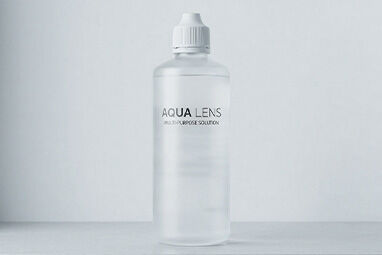
- Pack travel-size contact lens solution that is compatible with your specific lenses.
Beauty routine
- Always put your contact lenses in before applying makeup.
- Do not insert contact lenses if your eyes are red, irritated, or swollen.
- If makeup gets into your eye, remove the lens and clean it thoroughly with contact lens solution before reinserting. If irritation persists, discontinue wear.
Always keep a backup pair of glasses or contact lenses.
Contact solution storage
- Store solution in a cool, dry place away from direct sunlight.
- Check expiration dates before every use.
- Avoid switching brands unless advised by your eye care professional.
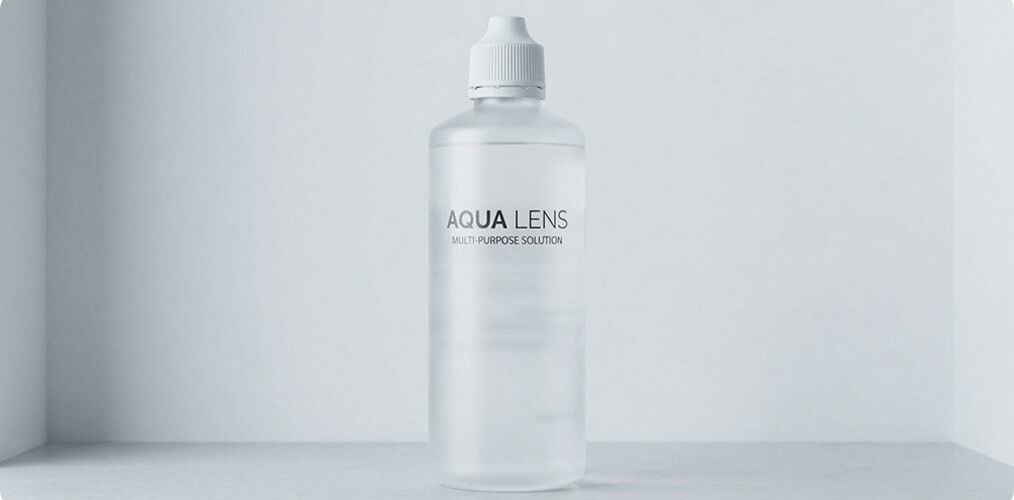
- Use only approved contact lens solution.
Contact lens safety
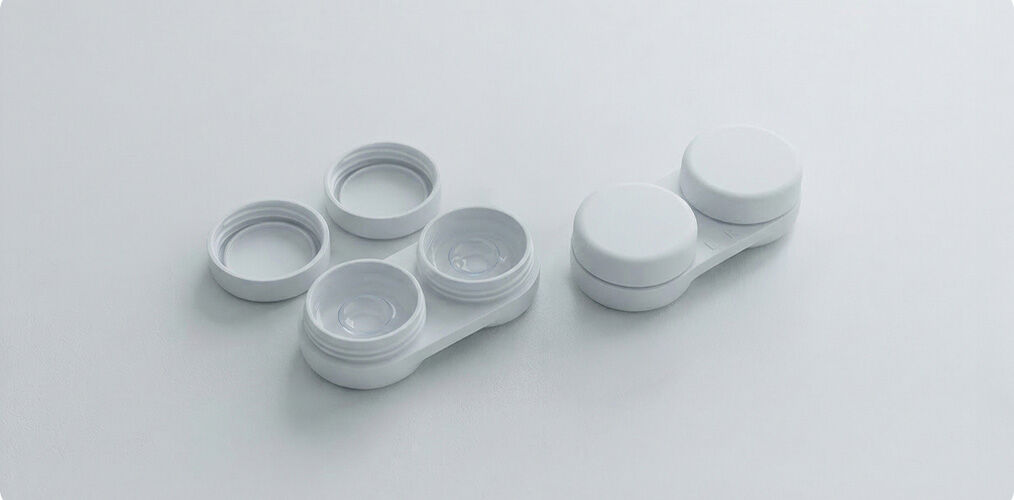
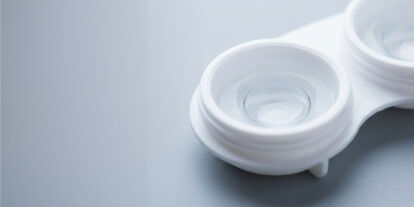
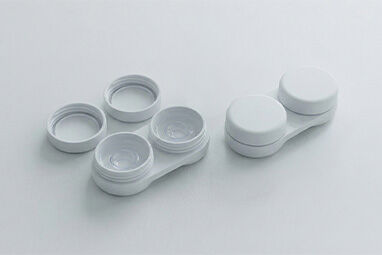
- Replace your lens case every month.
- Never “top off” old solution. Always use fresh solution.
- Avoid swimming, showering, or using a sauna while wearing contact lenses. Lenses should either be removed beforehand or you should wear tight-fitting goggles.
- Remove lenses immediately if you experience pain, redness, or light sensitivity.
- Discard any lens that appears torn or damaged.
- Always keep a backup pair of glasses.
- If discomfort does not improve after removing your lenses, contact your dispensing optician.
Avoiding common contact lens mistakes
Do
- Always wash your hands before handling contact lenses.
- Contact your eye doctor immediately if you experience redness, discomfort, light sensitivity, or changes in vision.
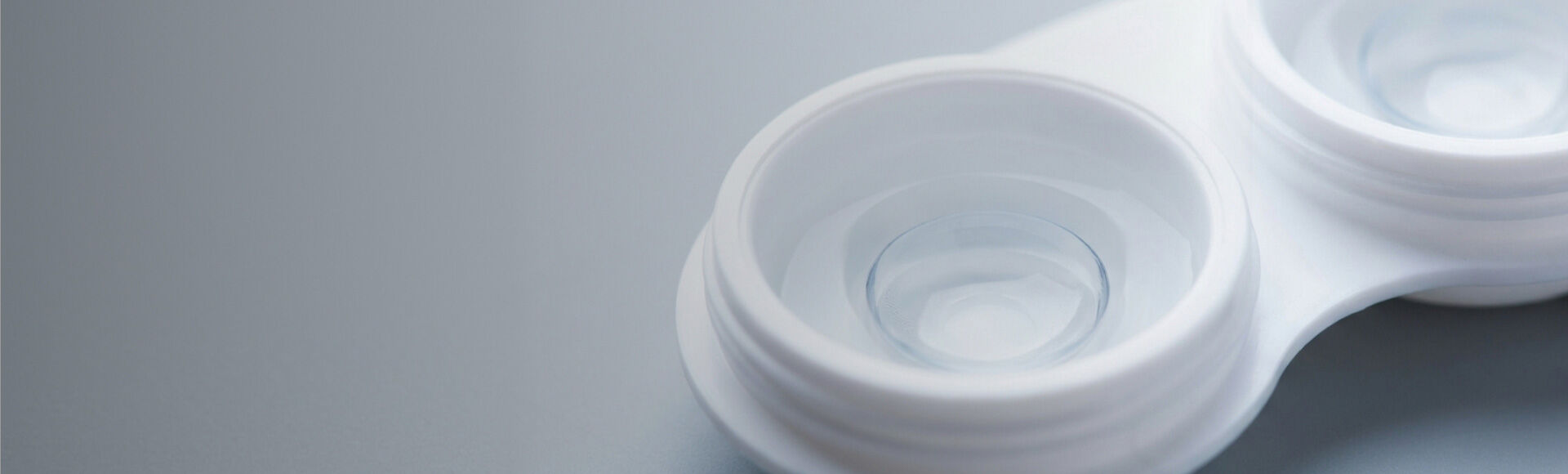
- Make sure your lenses are right side up, forming a smooth bowl shape rather than flaring outward.
Don't
- Clean your lenses or lens case with tap water.
- Wear your contacts longer than the recommended time.
- Sleep while wearing your contact lenses unless specifically prescribed.
- Swim, shower, or use a sauna while wearing your lenses without proper protection.
- Reuse daily disposable lenses.
- Store lenses in water.
Common questions about contact lenses
No. Contact lenses must be discarded based on their replacement schedule (daily, 2-week, or monthly), regardless of how often they were worn.
Mild dryness can occur.
However, remove lenses immediately if you experience pain, redness, or light sensitivity. Contact your optician if symptoms persist.
Yes. If lenses are stored and not worn, replace the solution on the third day. Solution loses disinfecting strength over time, and replacing it as directed helps prevent infection.
Something not feeling right?
Before we explore solutions, our certified dispensing opticians recommend checking:
- Have I followed the recommended hygiene and wearing schedule?
- Am I using fresh solution daily and cleaning lenses correctly?
- Have I avoided overwearing or reusing lenses beyond their replacement period?
- Have I removed the lenses and allowed my eyes to rest if discomfort occurs?
Many common concerns can be resolved with proper care, consistent wear, or small adjustments to your routine.
If symptoms persist, remove your lenses and contact our optical team so we can help identify the cause and recommend the next steps.
For added peace of mind, your purchase is covered by our 3-month warranty and 100-day return policy.
Still concerned? Our optical team is here to help.
Fittings & Adjustments
You deserve the perfect fit
Everyone’s face is unique, so it’s completely normal for your frames to need minor adjustments when you first receive them.
How to adjust your frames at home
Glasses are sitting low/sliding down
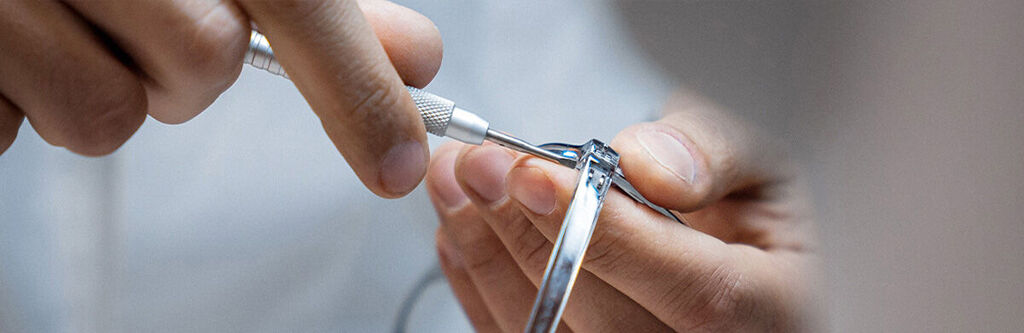
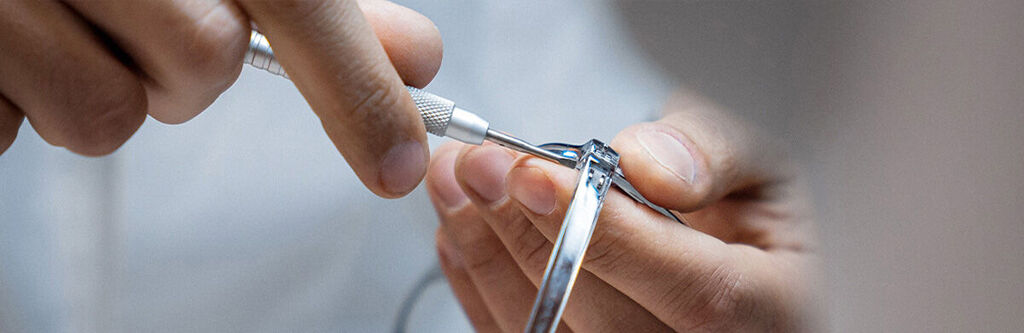
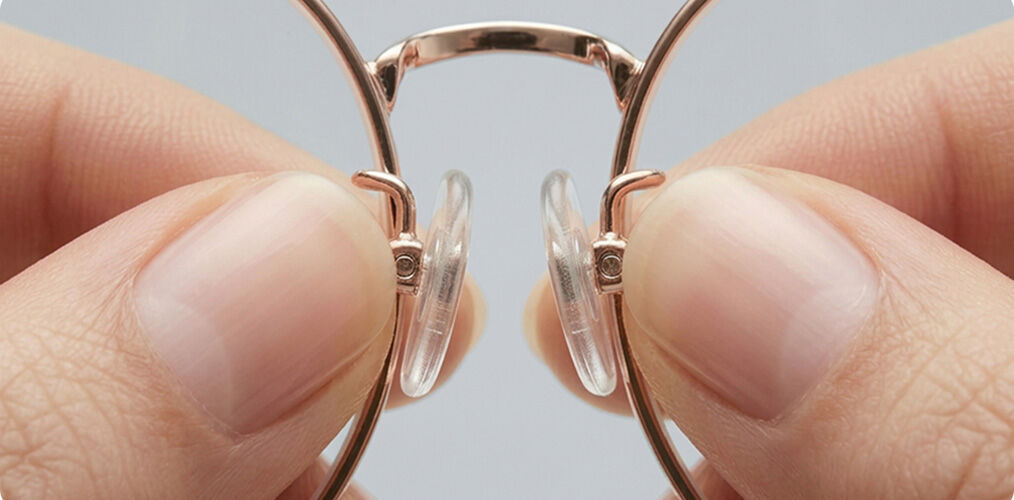
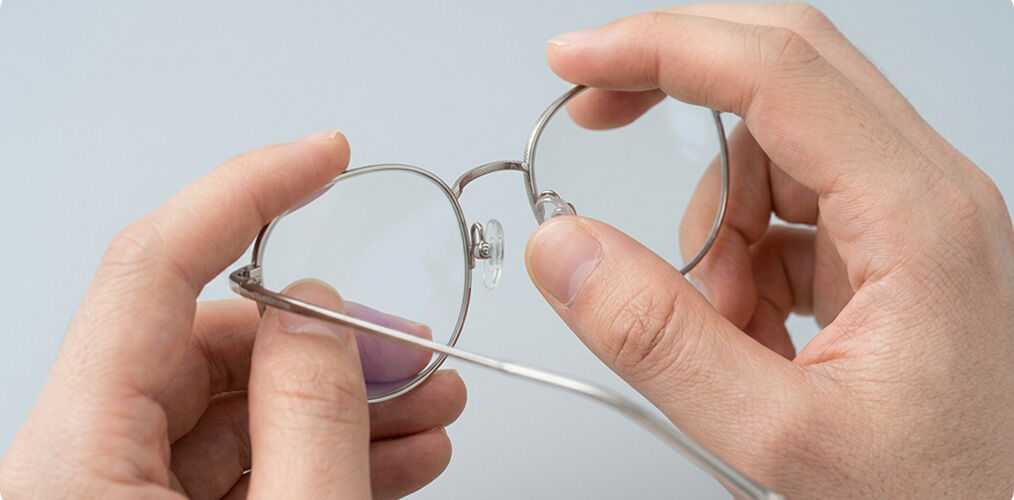
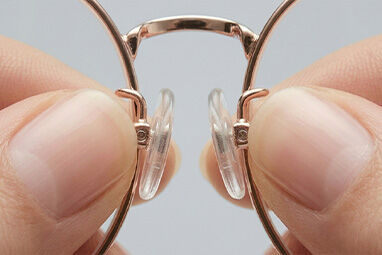
Gently push the nose pads inward to bring them closer together for a more secure fit.
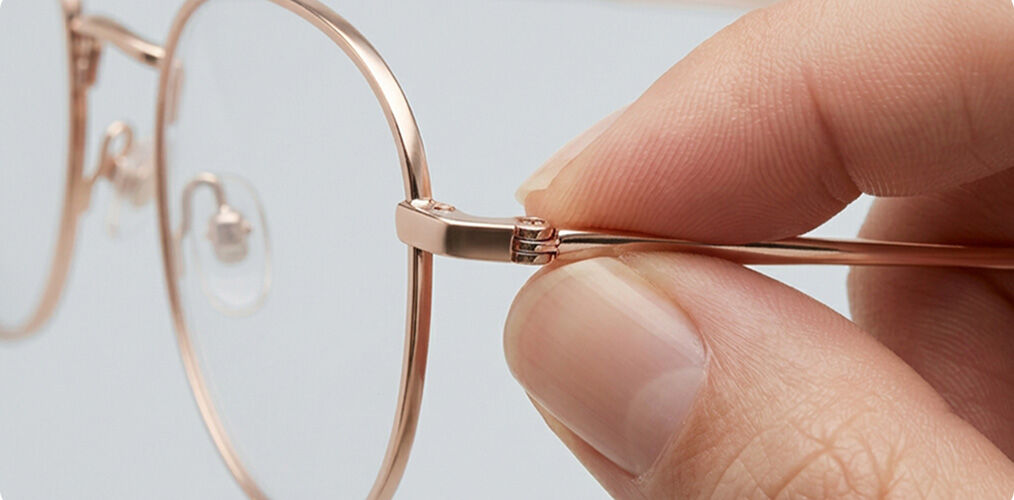
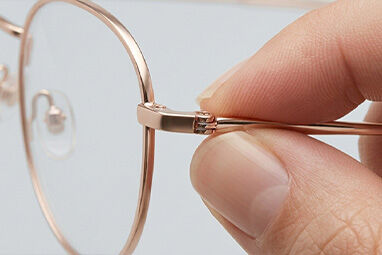
For plastic and acetate frames, run the temple tips under warm water to slightly soften the material. Gently bend the tips inward to create a firmer fit behind the ears.
Lenses are uneven
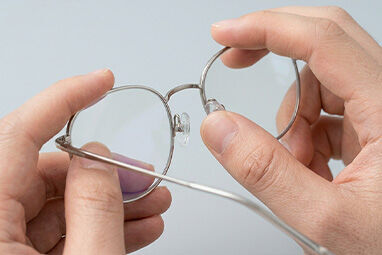
If the left lens sits higher than the right, gently bend the right temple upward at the hinge. If the right lens sits higher, adjust the left temple instead. If your frames appear twisted, take them to a local dispensing optician for a precise professional adjustment.
Glasses feel tight on the nose
Carefully push the nose pads outward using your thumbs to relieve pressure. Run the temple tips under warm water to slightly soften the material. Gently bend the tips outward to reduce pressure and improve comfort.
Free in-store frame adjustments
Most local optical stores can adjust your frames at no cost. If you are charged for the service, email us a copy of the receipt and we will reimburse you up to £15.
Keep in mind
Adjustment methods depend on frame material.
- Metal frames can typically be bent gently for a better fit
- Acetate frames require heat to become flexible
- Titanium frames shouldn’t be adjusted at home as they are highly durable and often require professional tools for proper adjustment
While some minor adjustments can be done at home, we always recommend professional adjustments whenever possible to ensure the safest and most precise results.
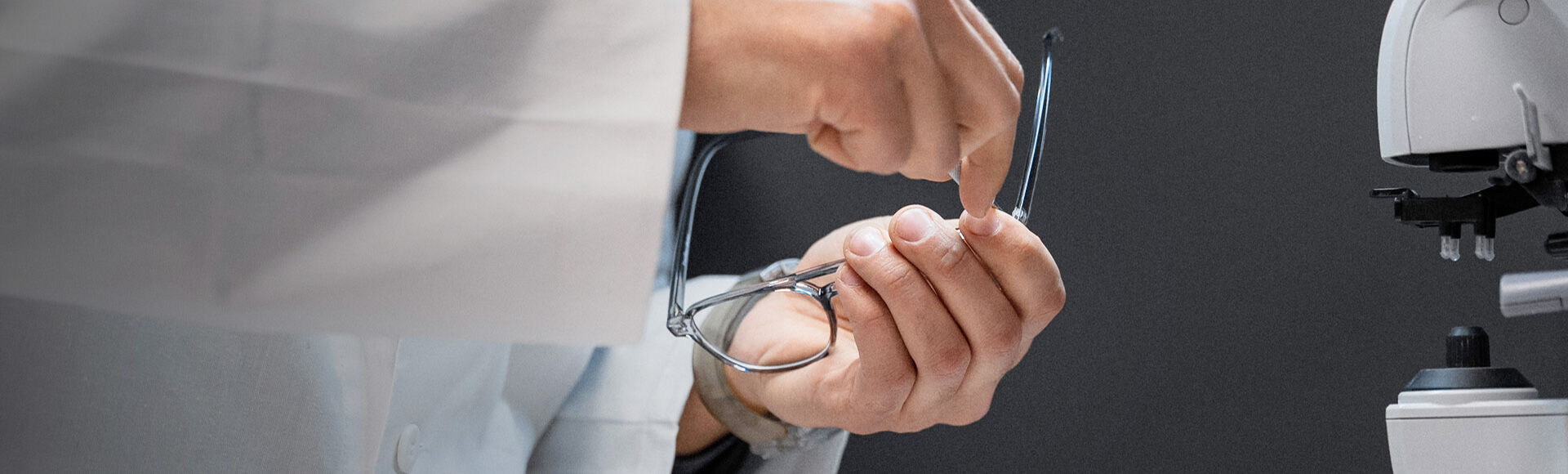
If you have any questions when making adjustments to your glasses yourself, our certified dispensing opticians are here to help. They can help guide you on the safest and most effective solution for your specific frame and fit.
Eyeglasses
Aftercare
Make your frames last
New glasses feel different, and that’s normal. Here’s how to care for your frames and adjust comfortably to your new glasses.
Storage and handling techniques
Store them properly
Proper storage is key to keeping your glasses in good shape. When not in use, always place them in a hard, protective case with the lenses facing up. Avoid placing them face down, as this can easily scratch the lenses.
Avoid resting them on your head
Your glasses are designed to fit the contours of your face. Resting them on your head or hanging them from your shirt may feel convenient, but these habits can stretch the frames or cause them to lose their shape over time. To maintain the proper fit, wear them as intended or store them safely in their case when not in use.
Avoid heat exposure
Leaving eyeglasses in a hot car or on a sunny window can damage lens coatings. Frame materials like plastic or metal can warp too. When not in use, keep them in a cool, shaded place.
Cleaning & maintenance
Clean your eyeglasses daily with a microfibre cloth and lens spray.
With clean, dry hands, apply lens spray and gently wipe the lenses and frame, including the nose pads.
Avoid water, tissues, clothing, or harsh cleaners as they can scratch lenses or damage coatings.
Wash your microfiber cloth regularly without fabric softener and replace it as needed to keep it working effectively.
Adjusting to new glasses
Getting used to new glasses can take a little time, especially if your prescription has changed. While many people expect clear, comfortable vision right away, your eyes and brain need time to adapt to the new prescription.
Our dispensing opticians recommend wearing your new glasses first thing in the morning, particularly if the change feels significant or overwhelming. This allows your brain to adjust to the updated vision without comparing it to your previous prescription, making the adaptation process smoother and more comfortable.
Depending on your prescription, your vision may feel slightly off at first. This is a normal part of the adjustment process. Wearing your new glasses consistently helps your eyes adapt more quickly.
Switching between old and new glasses can slow adaptation. Wearing your new pair consistently supports a faster and more comfortable transition.
If your frame shape is larger, deeper, or more curved than your previous pair, your vision may feel different even with the same prescription. This is expected and typically resolves as you adapt.
If you have varifocal lenses, practice shifting your focus between near, intermediate and far distances to become comfortable with the lens layout.
Adjusting to a strong prescription
What’s normal and when to contact us.
Normal (give it time)
- Objects appearing slightly larger or smaller
- Floors feeling slightly curved
- Mild “fishbowl” effect at the edges
- Clarity that feels unusual at first
- Mild headaches during the first few days
Our dispensing opticians frequently see these symptoms following prescription updates. In most cases, they improve within 7–14 days of consistent wear.
Contact our dispensing opticians if
- Vision feels unstable after 10–14 days
- You experience persistent nausea
- You cannot walk comfortably
- You have double vision or sharp eye pain
These symptoms may require prescription verification or minor fit adjustments. Our optical team can guide you.
Common questions about new glasses
Lens thickness depends on more than prescription strength. Frame size, frame shape, lens index and lens curvature all play a role.
Even with the same prescription, a larger or more curved frame can result in increased edge thickness.
If you’re concerned, our optical team can review your lens index and frame measurements.
If your vision feels “off” in your new glasses, this does not automatically indicate an incorrect prescription.
Common causes include updated prescription strength, switching to progressives, larger or more curved frames, higher index lens material, or changes in lens design.
Most adaptation symptoms go away within 7–14 days of full-time wear.
Contact us if your central vision remains blurry after two weeks.
Mild distortion or a “fishbowl” effect can occur with stronger prescriptions or new lenses.
This typically resolves during the adaptation period.
Something not feeling right?
Before considering a return, our certified dispensing opticians recommend:
• Wearing your new glasses daily for at least 7 days
• Not switching back to your previous pair
• Reviewing our fit adjustment tips
• Visiting a local dispensing optician for minor adjustments
Most issues can be resolved with small adjustments or consistent wear.
For added peace of mind, every purchase is backed by our 2-year warranty and 100-day hassle-free return policy, so you can shop with confidence.
Still concerned? Our optical team is always here to help.
Sunglasses
Aftercare
Make your shades last
Even the most durable sunglasses need a little care to stay in top shape. Here’s how to keep them clean, comfortable and built to last.
Storage and handling techniques
Store them safely
The best place for your sunglasses is in a hard protective case, with the lenses facing up. If you’re packing light, a microfiber pouch is a good backup. Avoid tossing them into a bag or leaving them face down, as scratches can happen fast. If your sunglasses feature mirror or specialty coatings, proper storage is especially important, as these surfaces are more sensitive to abrasion.
Avoid heat exposure
Leaving sunglasses in a hot car or on a sunny window can damage the frame and distort lens coatings. Frame materials like plastic or metal can warp too. When not in use, keep them in a cool, shaded place.
Avoid resting them on your head
It might seem convenient, but placing sunglasses on your head can stretch the frame. If you’re on the move, consider using a strap or retainer to keep them secure.
Cleaning & maintenance
Clean your sunglasses regularly with a microfiber cloth and lens spray.
With clean, dry hands, apply spray and gently wipe the lenses and frame.
Avoid water, tissues, clothing, or harsh cleaners as they can scratch lenses or damage coatings.
Wash your microfiber cloth regularly without fabric softener and replace it as needed.
Adjusting to new sunglasses
Getting used to new sunglasses can take a little time, especially if the lens tint or coating is different from what you’re used to.
This is completely normal and a few simple habits can make the transition smoother.
If you’re trying a new tint, coating, or polarised lenses, they may feel unfamiliar at first. Regular wear helps your eyes adapt naturally. Polarised lenses can sometimes create rainbow or darkened effects on digital screens or dashboards.
Switching between your old and new sunglasses can slow the adjustment process as your eyes adapt to the tint and glare reduction. Wearing your new pair consistently helps your eyes adapt more quickly.
Your sunglasses should feel comfortable in a range of lighting conditions, from direct sunlight to shade. Moving between environments helps your eyes adjust to how the lenses reduce brightness and glare.
Common questions about sunglasses
Rinse your lenses under lukewarm water first, then gently wipe with a clean microfiber cloth. Avoid paper towels, tissues, or clothing, which can scratch the surface.
Polarised lenses are durable but their filters can be affected by harsh chemicals or abrasive cleaning. Stick to gentle cleaning methods to preserve glare reduction.
It can take a few days to a week for your eyes to adapt, especially with polarised, mirror, or progressive lenses. Consistent wear helps the process.
Yes, high temperatures can warp frames, distort lenses, and reduce coating effectiveness. Always store sunglasses in a cool, shaded place or protective case.
Check the fit and adjust using our Fittings & Adjustments guide. Minor tweaks are normal, and visiting a local optician can help fine-tune comfort.
Something not feeling right?
Before considering a return, our certified dispensing opticians recommend:
• Wearing your new sunglasses daily for at least 7 days
• Not switching back to your previous pair
• Reviewing our fit adjustment tips
• Visiting a local dispensing optician for minor adjustments
Most issues can be resolved with small adjustments or consistent wear
For added peace of mind, every purchase is backed by our 2-year warranty and 100-day hassle-free return policy, so you can shop with confidence.
Still concerned? Our optical team is always here to help.
Varifocal Lenses
Aftercare
Getting started with new varifocals
Before you begin, make sure your glasses sit properly on your face. The lens alignment point should rest naturally in front of your pupils when looking straight ahead. Proper positioning helps ensure clear, comfortable vision at all distances.
How long does it take to get used to varifocals?
The adaptation period for varifocal lenses varies from person to person and can range from a few days to a couple of weeks. Most people adjust within 7–14 days, though some prescriptions may take slightly longer.
During this time, it’s normal for vision to feel different. As your eyes adapt to the multiple viewing zones, you may notice brief blur when shifting between near, intermediate and distance vision. With consistent wear, this typically improves quickly.
How do I use my varifocal lenses correctly?
Start with a natural gaze
Begin by looking at a distant object with your chin in a natural position. When switching to near tasks, slightly lower your chin and look through the lower portion of the lens. Coordinating both head and eye movement helps bring each viewing zone into clear focus.
Distance vision
To see distant objects, look straight ahead through the top portion of your lenses. This should feel similar to single-vision distance glasses.
Intermediate vision
For computer work and similar tasks, look through the centre of your lenses.
Tip: If the image does not feel sharp right away, slowly tilt your head slightly up or down until it comes into focus.
Near vision
For close-up tasks like reading, look through the bottom portion of your lenses.
Understanding peripheral vision
Varifocal lenses may cause mild peripheral distortion at first. Instead of glancing sideways through the edges of the lenses, turn your head toward what you want to see.
Point your nose toward the object for clearer vision. This will quickly become natural with practice.
Adapting to varifocal lenses is like learning something new
Your eyes need time to adjust.
Practice regularly
Practice is essential. Spend time focusing on objects at different distances throughout the day. Start with reading, then computer work, and gradually move into everyday activities like watching TV or cooking.
Be mindful on stairs
Stairs can feel unfamiliar at first due to peripheral distortion. For added stability, tuck your chin slightly downward and look through the upper portion of the lens when descending. Move carefully and allow yourself time to adjust.
Don't switch between new and old glasses
Switching back and forth between old and new glasses can slow adaptation and increase symptoms like headaches or eye strain. Wearing your varifocal lenses daily supports faster adjustment.
Coordinate head and eye movement
Unlike single vision lenses, varifocals require your head and eyes to move together. Point your nose toward what you are looking at for better clarity.
Try different environments
Once you feel comfortable indoors, begin wearing your varifocals outdoors and in different lighting conditions to build confidence.
Adjusting to varifocal lenses
What’s normal and when to contact us
Normal (give it time)
- Mild dizziness during the first 2–3 days
- Brief blur when switching between distances
- Slight discomfort on stairs at first
- Peripheral distortion in the first week
Our certified dispensing opticians regularly see these symptoms following new varifocal prescriptions. In most cases, they improve within 7–14 days of consistent wear.
Contact our dispensing opticians if
- You experience persistent severe headaches after 10 days
- Your central vision remains blurry
- You have double vision or eye pain
- You feel unsafe walking after one week
These symptoms may require prescription verification or fit adjustments. Our optical team can guide you.
Common questions about varifocal lenses
Yes. Varifocal lenses require coordinated head and eye movement.
Turning your head instead of glancing through the lens edges improves clarity and reduces distortion.
This sensation is common during the first 1–2 weeks.
If you need to excessively tilt your chin to see clearly after 10–14 days, contact us for a fitting review.
Mild peripheral distortion is expected in varifocal lenses and improves with consistent wear.
Something not feeling right?
Before considering a return, our certified dispensing opticians recommend:
• Wearing your new varifocals daily for at least 7 days
• Not switching back to your previous pair
• Reviewing our fit adjustment tips
• Visiting a local optician for minor adjustments
Most issues can be resolved with small adjustments or consistent wear.
For added peace of mind, every purchase is backed by our 2-year warranty and 100-day hassle-free return policy, so you can shop with confidence.
Still concerned? Our optical team is always here to help.
Contact Lens
Aftercare
The ultimate at-home guide to caring for your contact lenses.
Daily hygiene and handling tips
Proper care is essential for maintaining eye health and lens performance. Our certified dispensing opticians recommend following these proper hygiene and handling practices to reduce the risk of irritation or infection.
Traveling
- Bring extra contact lenses in case they are damaged or lost.
- Avoid using hotel contact lens cases, as they may damage or contaminate your lenses.
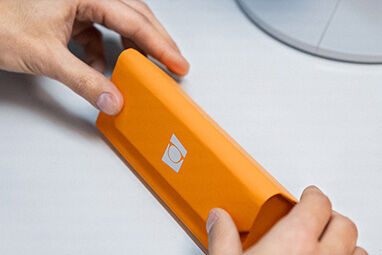
- Pack travel-size contact lens solution that is compatible with your specific lenses.
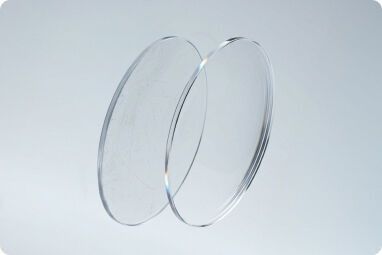
Beauty routine
- Always put your contact lenses in before applying makeup.
- Do not insert contact lenses if your eyes are red, irritated, or swollen.
- If makeup gets into your eye, remove the lens and clean it thoroughly with contact lens solution before reinserting. If irritation persists, discontinue wear.
Always keep a backup pair of glasses or contact lenses.
Contact solution usage
- Store solution in a cool, dry place away from direct sunlight.
- Check expiration dates before every use.
- Avoid switching brands unless advised by your eye care professional.
- Use only approved contact lens solution.
Contact lens safety
- Replace your lens case every month.
- Never “top off” old solution. Always use fresh solution.
- Avoid swimming, showering, or using a sauna while wearing contact lenses. Lenses should either be removed beforehand or you should wear tight-fitting goggles.
- Remove lenses immediately if you experience pain, redness, or light sensitivity.
- Discard any lens that appears torn or damaged.
- Always keep a backup pair of glasses.
- If discomfort does not improve after removing your lenses, contact your dispensing optician.
Avoiding common contact lens mistakes
Do
- Always wash your hands before handling contact lenses.
- Contact your eye doctor immediately if you experience redness, discomfort, light sensitivity, or changes in vision.
- Make sure your lenses are right side up, forming a smooth bowl shape rather than flaring outward.
Don't
- Clean your lenses or lens case with tap water.
- Wear your contacts longer than the recommended time.
- Sleep while wearing your contact lenses unless specifically prescribed.
- Swim, shower, or use a sauna while wearing your lenses without proper protection.
- Reuse daily disposable lenses.
- Store lenses in water.
Common questions about contact lenses
No. Contact lenses must be discarded based on their replacement schedule (daily, 2-week, or monthly), regardless of how often they were worn.
Mild dryness can occur.
However, remove lenses immediately if you experience pain, redness, or light sensitivity. Contact your optician if symptoms persist.
Yes. If lenses are stored and not worn, replace the solution on the third day. Solution loses disinfecting strength over time, and replacing it as directed helps prevent infection.
Something not feeling right?
Before we explore solutions, our certified dispensing opticians recommend checking:
• Have I followed the recommended hygiene and wearing schedule?
• Am I using fresh solution daily and cleaning lenses correctly?
• Have I avoided overwearing or reusing lenses beyond their replacement period?
• Have I removed the lenses and allowed my eyes to rest if discomfort occurs?
Many common concerns can be resolved with proper care, consistent wear, or small adjustments to your routine.
If symptoms persist, remove your lenses and contact our optical team so we can help identify the cause and recommend the next steps.
For added peace of mind, your purchase is covered by our 3-month warranty and 100-day return policy.
Still concerned? Our optical team is here to help.
Fittings &
Adjustments
You deserve the perfect fit
Everyone’s face is unique, so it’s completely normal for your frames to need minor adjustments when you first receive them.
How to adjust your frames at home
Glasses are sitting low/sliding down
Gently push the nose pads inward to bring them closer together for a more secure fit.
Glasses frames highlighting temples
For plastic and acetate frames, run the temple tips under warm water to slightly soften the material.
Gently bend the tips inward to create a firmer fit behind the ears.
Lenses are uneven
If the left lens sits higher than the right, gently bend the right temple upward at the hinge.
If the right lens sits higher, adjust the left temple instead.
If your frames appear twisted, take them to a local dispensing optician for a precise professional adjustment.
Free in-store frame adjustments
Most local optical stores can adjust your frames at no cost. If you are charged for the service, email us a copy of the receipt and we will reimburse you up to £15.
Keep in mind
Adjustment methods depend on frame material.
• Metal frames can typically be bent gently for a better fit
• Acetate frames require heat to become flexible
• Titanium frames shouldn’t be adjusted at home as they are highly durable and often require professional tools for proper adjustment.
While some minor adjustments can be done at home, we always recommend professional adjustments whenever possible to ensure the safest and most precise results.
If you have any questions when making adjustments to your glasses yourself, our certified dispensing opticians are here to help. They can help guide you on the safest and most effective solution for your specific frame and fit.